
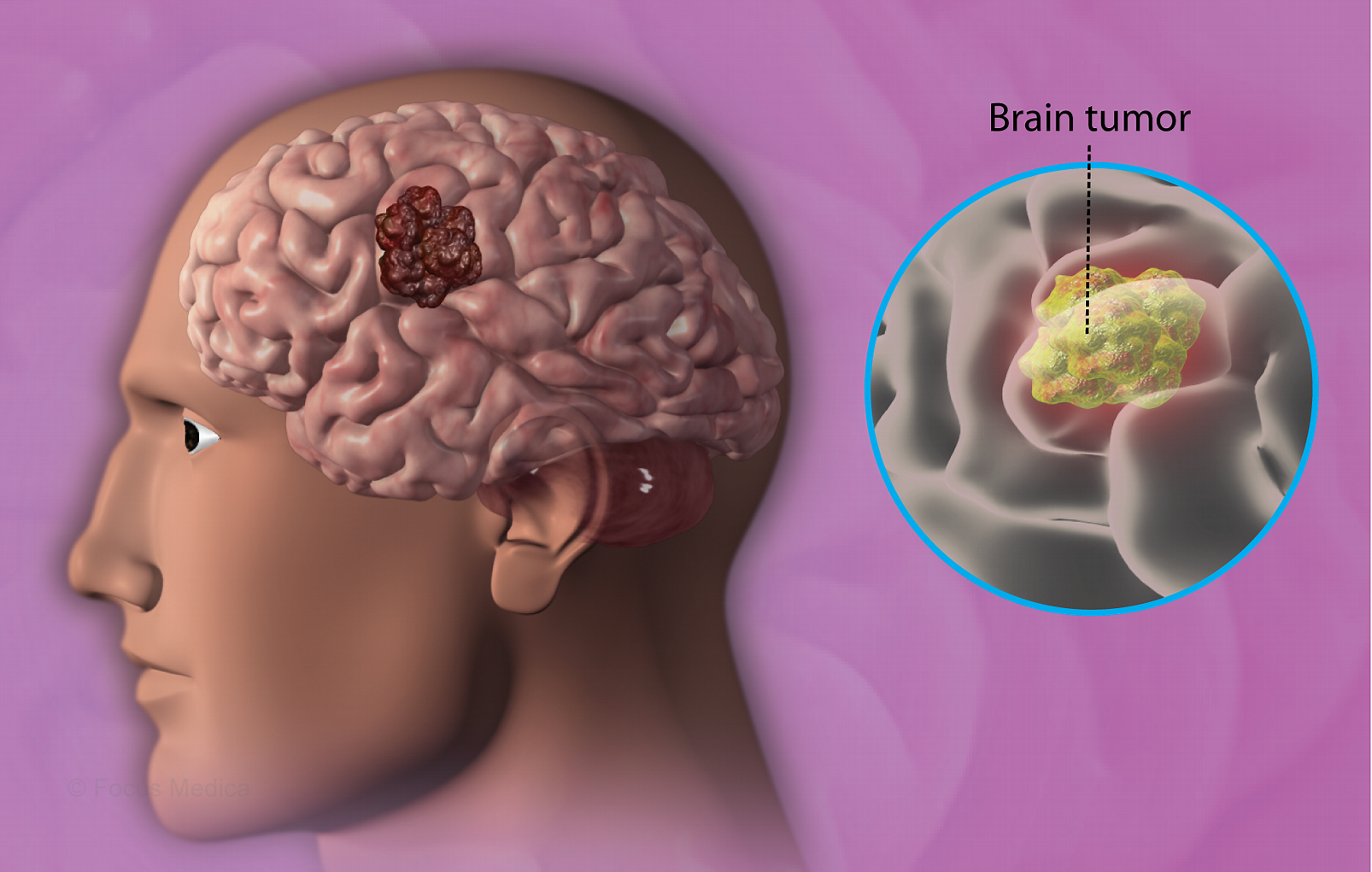
Welcome to our comprehensive guide on brain tumors. This article is designed to help you understand this condition and what you can do if you or a loved one are affected by it. Brain tumors can be scary and overwhelming, but by arming yourself with the right knowledge, you can take control of your health and make informed decisions about treatment. In this article, we will cover everything from the basics of what a brain tumor is and the symptoms to look out for, to diagnosis and treatment options. We will also discuss living with a brain tumor, prevention strategies you can use to reduce your risk and the latest research in the field. What is a Brain Tumor? A brain tumor is an abnormal growth of cells within the brain or the surrounding tissue. These tumors can be benign (non-cancerous) or malignant (cancerous), and can develop in any part of the brain or spinal cord. Malignant brain tumors are usually more aggressive and can invade nearby tissue, making them more difficult to treat. Types of Brain Tumors There are many different types of brain tumors, and they are classified based on the type of cell they originate from: Tumor Type Description Gliomas These tumors originate from the supportive tissue of the brain and can be either benign or malignant. Meningiomas These are usually benign tumors that grow from the meninges, which are the protective coverings of the brain. Acoustic neuromas These benign tumors develop on the nerves responsible for hearing and balance. Pituitary adenomas These benign tumors develop on the pituitary gland, which regulates hormone production. Metastatic tumors These tumors are not primary brain tumors but have spread (metastasized) to the brain from other parts of the body. The type of brain tumor can affect symptoms and treatment options, so it is important to have an accurate diagnosis. Brain Tumor Symptoms Brain tumor symptoms can vary depending on the type, size, and location of the tumor. Some people may experience no symptoms at all, while others may experience several. It’s important to note that having these symptoms does not necessarily mean you have a brain tumor, but they should be evaluated by a medical professional. Common Symptoms Some of the most common symptoms of brain tumors include: Headaches: Often worse in the morning or when lying down Seizures: Including convulsions and blackouts Changes in Vision: Blurred vision, double vision, or loss of peripheral vision Changes in Hearing: Ringing in ears, hearing loss, or sensitivity to sound Nausea or Vomiting: Especially in the morning or when changing positions Difficulty with Coordination: Loss of balance or trouble walking Changes in Mood or Personality: Irritability, confusion, or depression Less Common Symptoms In addition to the common symptoms listed above, there are several less common symptoms that can occur: Memory problems Speech difficulties Trouble with reading or writing Weakness or numbness in the arms or legs Difficulty swallowing If you experience any of these symptoms, it’s important to speak with a doctor. They can help determine if further testing is necessary to rule out a brain tumor or other condition. Brain Tumor Diagnosis Diagnosing a brain tumor typically involves a comprehensive medical evaluation. A doctor will begin by reviewing the patient’s medical history and symptoms, and then perform a neurological exam to assess brain function. This exam may include testing reflexes, muscle strength, memory, and coordination. If a brain tumor is suspected, the doctor may order one or more imaging tests, such as a magnetic resonance imaging (MRI) scan or a computed tomography (CT) scan. These tests can help visualize the tumor and provide information about its size, location, and characteristics. Diagnostic Testing Description Magnetic resonance imaging (MRI) Uses a powerful magnetic field and radio waves to create detailed images of the brain. Computed tomography (CT) scan Combines X-rays and computer technology to create detailed pictures of the brain. Angiogram Uses a contrast dye and X-rays to create images of blood vessels in the brain. In some cases, a biopsy may be necessary to confirm a brain tumor diagnosis. During a biopsy, a small piece of tumor tissue is removed and examined under a microscope. This can help determine the type of tumor and guide treatment decisions. It’s important to note that diagnosing a brain tumor can be a complex process, and it may involve multiple tests and consultations with various specialists. Patients are encouraged to ask questions and seek a second opinion if needed. Brain Tumor Treatment After a brain tumor diagnosis, there are several treatment options available. The best course of action will depend on the type, size, and location of the tumor, as well as the overall health of the patient. It’s important to discuss all options with a medical professional to determine the best treatment plan. Surgery Surgery to remove the tumor is often the first line of treatment for brain tumors. During the procedure, a neurosurgeon will remove as much of the tumor as possible while minimizing damage to healthy brain tissue. In some cases, the entire tumor can be removed. In others, some cancerous tissue may be left behind if it is too close to important areas of the brain. Radiation Therapy Radiation therapy uses high-energy beams to kill cancer cells. This treatment may be used alongside surgery or on its own for tumors that are difficult to treat surgically. Radiation therapy may cause side effects, including fatigue and memory problems, but they are usually temporary. Chemotherapy Chemotherapy uses drugs to kill cancer cells throughout the body. This treatment is usually reserved for advanced or high-grade tumors or when other treatments are not effective. Chemotherapy may cause side effects such as fatigue, nausea, and hair loss. Living with a Brain Tumor A brain tumor diagnosis can be overwhelming and life-changing. For those living with a brain tumor, it is important to take care of both physical and emotional health. Here are some strategies for coping with this condition: Find support: Connect with others who have gone

A new surge of coronavirus cases has spread across the country and while there’s still so much to learn about the virus, how it’s transmitted and its long-term effects, the new wave.
While most people who get COVID-19 are able to recover at home, the rush is on to find a treatment that’s safe and effective against life-threatening cases of the disease.
Summer may have just officially started, but kidney stone season began a couple of weeks ago. Doctors see an increase in kidney stone cases when the weather warms up.
Migraines are more than just headaches; they are complex neurological events that can affect many parts of your life. Understanding the stages of a migraine can help in managing symptoms and seeking effective treatments. Migraine is a neurological condition that is characterized by recurrent headaches. It typically progresses through four stages: prodrome, aura, headache, and postdrome. The Four Stages of Migraine: 1. Prodrome (Pre-headache stage) The prodrome phase can serve as a warning sign that a migraine is about to occur. It can start hours or even days before the headache itself. This is the early stage of a migraine attack and can occur hours or days before the actual headache. Symptoms during this stage may include mood changes, food cravings, increased thirst, and frequent yawning. Some people also experience neck stiffness or heightened sensitivity to light or sound. 2. Aura Not everyone experiences the aura phase, but for those who do, it can be quite disconcerting. About one in four migraine sufferers experience an aura, which is a transient neurological disturbance. Auras often involve visual disturbances such as seeing flashing lights or zigzag lines, but can also affect other senses and motor functions. They usually last around 20 minutes to an hour and occur before or alongside the headache. 3. Attack Phase This is the phase when the actual migraine pain occurs and is often debilitating. This is the most well-known stage of a migraine attack and can last from a few hours to several days. The pain is typically throbbing or pulsating and can be accompanied by 4. Postdrome (Post-headache stage) Often referred to as a “migraine hangover,” this phase occurs after the headache subsides. FAQs: Q: Can migraines be prevented? A: While there’s no surefire way to prevent migraines, identifying and avoiding triggers, maintaining a healthy lifestyle, and following a preventive medication regimen (if prescribed) can help reduce frequency and severity. Q: Are migraines just bad headaches? A: No, migraines are complex neurological conditions. They involve various symptoms and stages and are more than just headaches. Q: When should I see a doctor for migraines? A: If you experience migraines frequently, if they are severe, or if they interfere with your daily life, it’s important to consult a healthcare provider. Q: Can children get migraines? A: Yes, children can experience migraines. Their symptoms might differ slightly from adults, and it’s important to seek pediatric care for proper diagnosis and treatment.
That means that you should still be following any shelter-in-place orders in your community. But when you’re venturing out to the grocery store, pharmacy or hospital, it’s wise to wear one...
Parkinson’s disease (PD) is a neurodegenerative disorder that affects movement and is caused by the loss of dopamine-producing neurons in the brain. The exact cause of PD is not fully understood, but there are several factors that are believed to contribute to the development of the disease: Genetics: While most cases of PD are not directly inherited, there are certain genes that can increase a person’s risk of developing the disease. Mutations in the LRRK2, SNCA, and GBA genes are some of the most well-known genetic factors associated with PD. Age: Parkinson’s disease is more common in older adults, and the risk of developing the disease increases with age. Environmental factors: Exposure to certain environmental toxins, such as pesticides, herbicides, and solvents, has been linked to an increased risk of developing PD. Other factors, such as head injuries, may also increase the risk. Lifestyle factors: Certain lifestyle factors, such as a lack of exercise, a diet high in saturated fat, and smoking, may increase the risk of developing PD. Other medical conditions: Some other medical conditions, such as REM sleep behavior disorder and multiple system atrophy, have been linked to an increased risk of developing PD. Overall, the development of Parkinson’s disease is likely the result of a complex interplay between genetic, environmental, and lifestyle factors.
Paralysis is the loss of muscle function in part of your body. It can occur in one or more muscles and may be temporary or permanent, depending on the underlying cause. The causes of paralysis can vary depending on the location and severity of the paralysis, as well as the individual’s age, health status, and medical history. Here are some of the most common causes of paralysis: Stroke: A stroke occurs when blood flow to the brain is interrupted, either by a blood clot or a ruptured blood vessel. This can lead to paralysis on one side of the body, known as hemiplegia. Spinal cord injury: Damage to the spinal cord can cause paralysis, depending on the location and severity of the injury. Paralysis can occur below the level of the injury, and can be either partial or complete. Traumatic brain injury: An injury to the brain can cause paralysis, depending on the location and severity of the injury. This can include damage to the motor cortex, which controls voluntary movement. Multiple sclerosis: Multiple sclerosis is a chronic autoimmune disease that affects the central nervous system. It can cause muscle weakness, spasticity, and paralysis. Amyotrophic lateral sclerosis (ALS): ALS is a progressive neurological disease that affects the nerve cells that control voluntary muscles. It can cause muscle weakness, atrophy, and paralysis. Guillain-Barre syndrome: Guillain-Barre syndrome is a rare autoimmune disorder that can cause muscle weakness and paralysis. It often starts in the legs and can progress to other parts of the body. Botulism: Botulism is a rare but serious illness caused by a toxin produced by the bacterium Clostridium botulinum. It can cause paralysis by blocking nerve signals to the muscles. Polio: Polio is a viral infection that can cause paralysis by attacking the nerves that control muscle movement. Tumors: Tumors in the brain or spinal cord can cause paralysis by putting pressure on the nerves or spinal cord. Infections: Certain infections, such as meningitis or encephalitis, can cause inflammation of the brain or spinal cord, which can lead to paralysis
Cervical pain refers to any discomfort or pain in the neck region, which is the upper part of the spine. The most common causes of cervical pain include: Poor posture: Sitting or standing in the same position for a prolonged period can lead to muscle strain, which can cause cervical pain. Muscle strain or injury: Strain or injury to the muscles and ligaments that support the neck can cause cervical pain. Degenerative disc disease: This condition occurs when the spinal discs in the neck wear out and cause pain. Herniated disc: A herniated disc occurs when the cushion between the spinal vertebrae in the neck ruptures or bulges out, which can put pressure on the nerves and cause pain. Osteoarthritis: This is a type of arthritis that affects the joints in the neck, causing pain and stiffness. Pinched nerve: When a nerve in the neck is compressed or pinched, it can cause cervical pain. Infections or tumors: In rare cases, infections or tumors can cause cervical pain.
Migraine is a neurological condition that can cause severe and often debilitating headaches. It is characterized by recurring attacks of moderate to severe headache pain that is usually accompanied by other symptoms such as sensitivity to light and sound, nausea, and vomiting. The exact cause of migraines is not fully understood, but it is believed to involve a combination of genetic and environmental factors that affect the nerves and blood vessels in the brain. Migraines are more common in women than men and can be triggered by a variety of factors, such as stress, certain foods or drinks, changes in sleep patterns, hormonal changes, and weather changes. There are several types of migraines, including migraine with aura (which involves visual disturbances or other sensory changes before the onset of the headache), migraine without aura, chronic migraine, and menstrual migraine (which occurs in relation to a woman’s menstrual cycle). Treatment for migraines usually involves a combination of lifestyle changes and medication. Lifestyle changes that may help prevent migraines include maintaining a regular sleep schedule, avoiding trigger foods and drinks, and managing stress. Medications used to treat migraines include pain relievers, triptans, and preventive medications. If you are experiencing migraines, it is important to speak with your healthcare provider to determine the best treatment plan for your individual needs. Consult With Best Neurologist Dr Abhinav Gupta Call-9152500125, 7599002000,0120-4900-480