
The symptoms of a brain tumor can vary depending on the location, size, and type of tumor. However, some common symptoms that may be indicative of a brain tumor include: Headaches: A persistent headache, especially if it is worse in the morning or if it does not respond to pain medication, can be a sign of a brain tumor. Seizures: Seizures that occur in a person who has not had them before, or seizures that are increasing in frequency or severity, can be a symptom of a brain tumor. Nausea and vomiting: Nausea and vomiting can occur if a tumor is causing increased pressure within the skull. Vision or hearing problems: A brain tumor located in or near the area responsible for vision or hearing can cause problems such as blurred vision, double vision, or hearing loss. Cognitive or memory problems: A brain tumor can cause problems with memory, concentration, or other cognitive functions. Weakness or numbness: A tumor located in the brain or spinal cord can cause weakness or numbness in the arms or legs. Personality changes: A brain tumor can sometimes cause personality changes or mood swings DR ABHINAV GUPTA NEURO SURGEON BALAJI SUPERSPECIALITY HOSPITAL

It’s normal to feel anxiety, worry and grief any time you’re diagnosed with a medical conditio – and that’s certainly true if you test positive for COVID-19, or are presumed to be positive. If your symptoms aren’t severe and you can recover at home, this will involve home isolation until it’s safe for you to be near others without potentially spreading the infection. Isolation protects others from getting sick – but for the person who is sick, it might seem like one more thing on top of an already stressful situation. “Stress negatively affects your body, so while you rest up and work on recovering physically, it’s important to keep your mental health in check, too,” says psychiatrist Amit Anand, MD. Here are some ways to keep anxiety and sadness from the creeping in while you recover from COVID-19: Focus on what you can know and control You may not know how you got infected, or how long it will take to recover. Instead of focusing your energy on regret or what ifs, double down on what you can do. Your job now is to take care of yourself, get well and avoid spreading the infection to anyone else. Engage your support network Ask loved ones to check in on you regularly via phone, email or video chat. Talk to them about how you’re feeling. If you’re worried about taking care of children, pets or household duties while you’re sick, identify family members, friends or members of your community who aren’t part of a high-risk population and may be able to help.
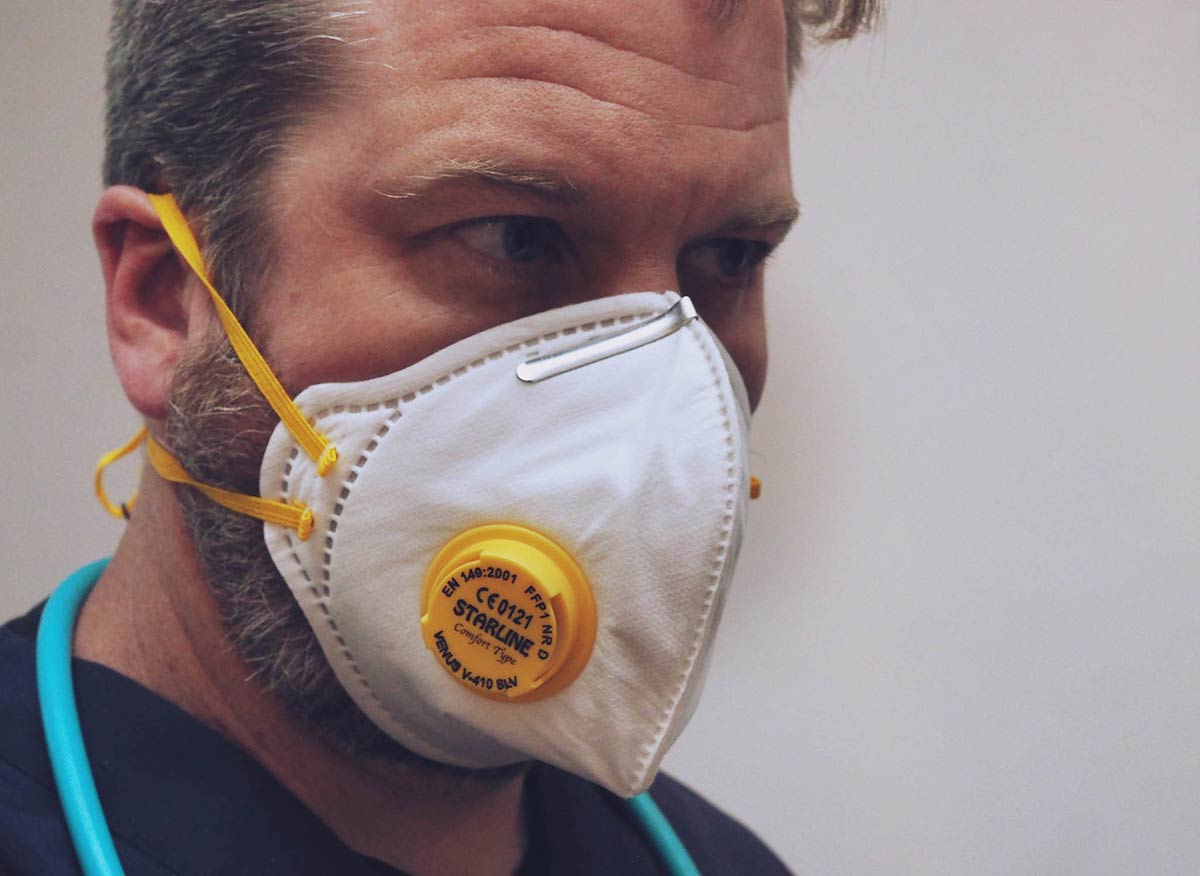
That means that you should still be following any shelter-in-place orders in your community. But when you’re venturing out to the grocery store, pharmacy or hospital, it’s wise to wear one.